

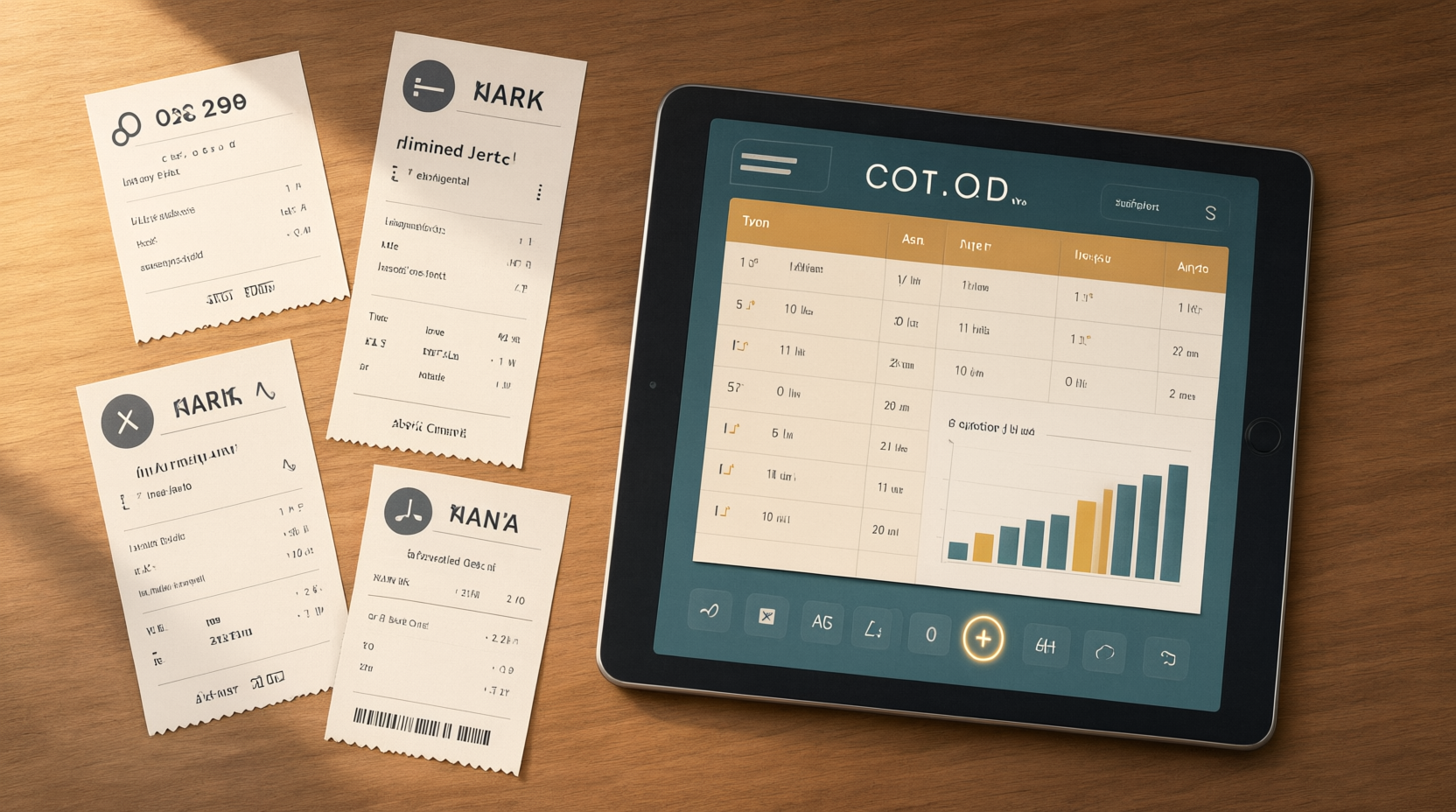
Why Per-Seat AI Budgets Quietly Break the Moment You Run Two Businesses
You open your billing dashboard and see four AI subscriptions. You run two businesses. You cannot tell which one is burning cash.
That is not a budgeting problem. It is an architecture problem, and it gets worse every month you ignore it. There is one structural change that fixes the entire mess, and it is not "cancel a subscription." I will show you exactly what it is after we map the damage.
Here is the hidden cost of fragmented AI spend: overlapping subscriptions, duplicate agent runs, and orphaned credits scattered across accounts nobody owns. A copywriting agent in Business A and a research agent in Business B both pull from separate pools. Neither knows the other exists. Neither throttles when the other spikes.
Chat-only tools make this worse. They offer no shared canonical record, no scoped permissions, and no reviewable diffs. When your assistant "remembers" something, you cannot audit where it came from or which business paid for it.
The 2026 shift is already here: freelancers adopting AI-orchestrated workflows reportedly earn around 34% more per hour, while low-complexity execution work faces real earnings pressure.
Translation: the people winning are not the ones with the most tools. They are the ones who can account for every credit spent.
The Shared Ledger Model: One Wallet, Many Realms, Zero Surprise Invoices
Think about it this way. Your bank does not give you a separate account per purchase category. It gives you one balance, tagged transactions, and statements you can actually read.
A Realm Ledger works the same way: a single credit pool with per-realm scoping, attribution, and rollover rules. One wallet. Many realms. Every credit traceable to the business that spent it.
There are three roles, and the distinction matters more than most teams realize:
- Owner - sees the full pool, sets global caps, funds the wallet, and can freeze any realm instantly.
- Realm admin - sees only their realm's consumption, sets local caps, and cannot touch sibling businesses.
- Agent identity - a scoped spender with its own token, its own budget ceiling, and its own audit trail.
Now for the part nobody talks about: shared credits create natural rate limiting. When agents compete for a finite pool, runaway loops self-throttle. A recursive agent that would have burned $200 in isolation hits the ceiling and stops, because its sibling realm needs those credits too.
Scarcity is not a bug in this model. It is the guardrail.
How MCP Agents Fit Into a Ledger Without Draining It Overnight
Here is where most teams get stuck: they wire MCP tools directly into a ledger and watch credits vanish in a single afternoon.
The fix starts with 2026 MCP best practices. Run MCP servers as stateless pools behind a normal load balancer, with no session affinity. Keep tools scoped by domain and read-write separation. And never, under any circumstances, reuse user tokens inside tool calls. Use per-tool scoped tokens instead.
But that is only half the picture. Slow tool calls hold credits hostage while an agent waits. Offload them to a task queue and worker tier so the orchestrator can release the credit and move on.
The silent killer, though, is context bloat. Most credit burn does not come from expensive calls. It comes from stuffing forty tools into every prompt. Use tool filtering and semantic search to shrink the selection surface, and your per-task cost drops immediately.
Finally, instrument end-to-end tracing. Every credit spent should map to a specific agent action you can open, read, and audit. If you cannot answer "what did this dollar do," you do not have observability. You have a receipt.
Guardrails That Actually Work: Caps, Alerts, and Kill Switches
Hard failures at 100% are amateur hour. Your agents should degrade gracefully, not crash mid-task and leave orphaned work behind.
Set per-realm daily and monthly caps, then configure alerts at 50, 80, and 95 percent with different notification channels per business. Business A pings Slack. Business B sends an email. You stop guessing which realm is loud.
Add a one-click kill switch per agent identity. A misbehaving workflow should die alone, not drag your other realms down with it.
And validate structured outputs at every handoff. Add retries with fallbacks so you are not paying twice for the same failed call. This is the cheapest optimization on the list, and the one teams skip most often.
Your 7-Day Rollout: From Spreadsheet Chaos to a Single Ledger
You do not need a quarter to fix this. You need a week.
Then measure what matters: cost per completed agent task, not cost per API call. That is the number your business actually feels.
Watch for credit drift, where one realm quietly subsidizes another and never shows up on a dashboard. Set a quarterly ledger review so caps scale with real usage instead of stale assumptions.
The core takeaway: one wallet, scoped realms, and traceable agents turn AI spend from a mystery into a metric.
Your next ten minutes: open your billing page and count how many separate AI subscriptions you are paying for right now. That number is your starting line.
Which model are you running, per-seat or shared ledger? The tradeoffs are real, and I want to hear where yours broke first.